Fentanyl Decontamination
Rooms, vehicles and exposed surfaces receive decontamination following fentanyl exposure.
See fentanyl decontaminationGet meth residue testing, decontamination, material removal and clearance steps for a home, rental, business or vehicle in Atando Junction. Keep people out of affected areas until the property has been assessed.
When drug-production chemicals or methamphetamine residue contaminate a vehicle, business, rental or home, meth lab cleanup covers the necessary testing, cleaning and removal.
A property does not need to look dirty to have residue. Meth smoke can settle on walls, ceilings, floors, cabinets, appliances and personal property. A production site can also contain acids, solvents, salts, fuels and unknown mixtures. Those hazardous materials call for a careful assessment before anyone moves containers or starts ordinary cleaning.
The biohazard remediation process should follow the testing results and the rules for the property location. Cleanup technicians isolate the affected area, use protective equipment, remove materials that cannot be cleaned, wash remaining surfaces and address the air system when needed. Post-remediation samples then show whether the tested areas meet the applicable clearance level.
A cleaning service should keep photos, scope notes, disposal documents and test reports together, so you have a clear record and can move forward after clearance.
Your written plan should describe affected areas and the testing basis before remediation, along with removal decisions, cleaning methods and clearance steps.
An item-by-item assessment of materials and physical condition identifies belongings that might be cleaned and those that may need discarding.
Work zones and clean paths limit the movement of dust, tools and contaminated materials through the rest of your property.
Evidence from testing or dependable property records can show residue associated with meth use or manufacture. This calls for meth decontamination cleaning services. Each case begins by considering test results alongside the property history. Situations commonly include:
Repeated smoking deposited unseen contamination across ceilings, floors, walls, cabinetry and belongings.
A property used to produce meth may retain chemical substances, staining and residue across several rooms after its release by law enforcement.
A car, recreational vehicle or truck may have contamination across its seating, flooring, interior trim and ventilation surfaces.
A landlord or property manager learns of suspected drug activity after a tenant leaves and needs testing before repairs or a new tenancy.
Prevent contact first, and do not let contamination travel to other areas. Follow these steps while professional cleanup is pending:
Call (888) 440-9227According to published PushLeads cost data, the broad range for meth lab cleanup begins at $5,000 and extends through $120,000 while the typical average sits between $15,000 and $20,000. Such a wide span reflects the difference between ongoing smoking in one space and chemical manufacture across the property. Local clearance rules, testing, air-system treatment and material removal further shape the final scope.
The figures shown are national ranges from published cost guides and are not based on an on-site visit. The price for your property is set after the on-site assessment, and you hear it before work starts.
Ask about cost: (888) 440-9227Meth contamination may or may not receive insurance coverage based on the policy and cause. Exclusions can apply to contamination, pollution, vacancy or a criminal act. Notify the insurance company, ask which assistance may be available and obtain its written decision about coverage before you authorize non-emergency work.
Keep photographs, lab results, the police release, remediation scope, waste paperwork, invoices and the clearance report in one organized file.
Property owners will usually arrange assessment and decontamination at a rental. You must address property safety separately from trying to collect expenses from a tenant.
Let the insurance company know what revealed the contamination. Ask about testing, remediation, removed building materials and loss-of-use coverage.
Law enforcement may secure evidence and then release the scene, while owners generally arrange the later environmental testing and remediation.
A meth lab cleaning process is completed in planned stages. At each point, the work should reflect the test plan, property assessment and clearance rules for that location.
Before beginning work, ask cleanup technicians to explain how they evaluate ventilation, possible routes of contamination, property history, the room layout, police release and visible hazards.
Sampling surfaces helps locate affected areas and set an initial benchmark. Choose collection methods and test locations according to the protocol that applies locally.
The written scope identifies containment, materials to remove, surfaces to clean, the treatment of contents and the final clearance steps.
Clean spaces remain isolated from the work zone. Cleanup technicians use protective gear suited to the residue, dust and chemical hazards found on site.
Carpet, pad, soft furnishings, insulation or damaged building materials may be removed and prepared for waste disposal when they cannot be cleaned to the required level.
Remaining ceilings, walls, floors, cabinets and fixtures are cleaned in a controlled order with methods chosen for each material.
Inspect the air system apart from belongings that can be moved. Depending on test evidence and physical state, contents may be decontaminated, set apart or thrown away.
Final sampling follows completed cleaning and determines if the property needs more work before people return.
Call any hour. You speak with a meth lab cleanup specialist who outlines the process and schedules a start time with you.
A property previously associated with meth can pose serious health hazards despite having no powerful odor. The risks include contact through your skin, contaminated dust and production chemicals that remain.
Pre-test demolition of drywall or carpet can spread dusty residue onto work tools, garments and uncontaminated parts of the building.
Unknown liquids, powders and unmarked vessels can react, burn or cause corrosion. Never open, smell, combine or throw them into household trash.
Contamination may collect on flooring, counters, toys, walls and other items people touch often. Ordinary appearance does not show whether a surface meets a clearance level.
Can you clean it yourself? Do not respond to possible meth residue as you would to a routine household spill. You cannot use domestic cleaners to measure residue movement or verify that a surface passes the local clearance standard. Begin more safely with testing and a remediation plan designed for meth.
Several workdays may be needed when meth contamination is confined to one area. For an extensive production site, cleanup can continue for several weeks. The schedule is driven more by material removal, testing turnaround, clearance samples and repeat cleaning than by the number of rooms.
| Scene | Typical time on site |
|---|---|
| Limited residue confined to a small space | Often multiple working days and the laboratory turnaround period |
| Several rooms or HVAC involvement | Often one to several weeks |
| Chemical damage at a former meth production site | May extend across several weeks and require another round of clearance |
You cannot rely on odor to test for meth. Surface contamination may exist when almost no smell is noticeable. Although a sharp chemical odor is a warning to leave, do not go inside to investigate it, and never try masking it with fragrance.
Odor removal and air quality work begin with source control. Production chemicals, contaminated porous materials and settled dust must be addressed before air cleaning can help. The assessment may include the HVAC system, filters, ducts and connected rooms. Clearance decisions should rely on the required sampling, not on whether the space smells clean.
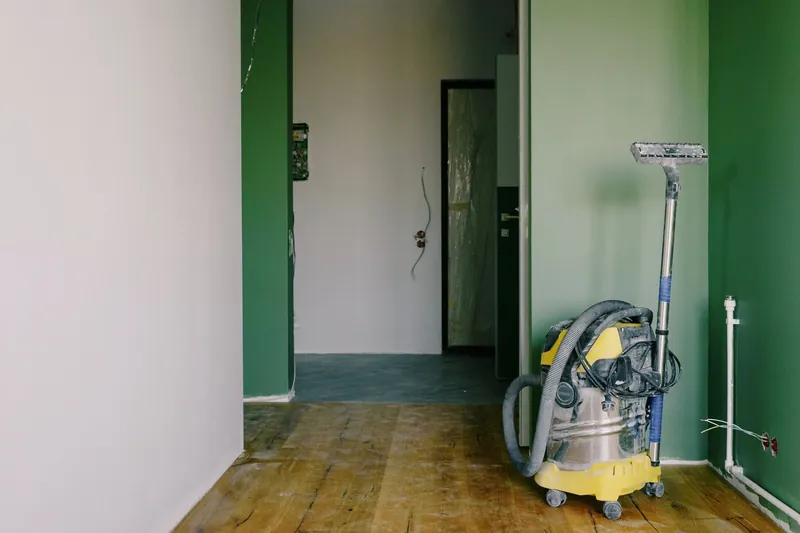
Rules and clearance levels differ by state and local jurisdiction. Ask the health, environmental or building authority which standard applies before cleanup begins.
Local procedures may govern test plans, lab techniques and clearance documentation. Retain documentation in case renters, purchasers, property owners or authorities ask for it.
Do not automatically place unknown chemicals or contaminated debris in household trash. The materials discovered and local requirements determine waste categories and disposal methods.
Manage needles or infectious waste apart from any associated drug-related materials. North Carolina treats soaked materials from a biohazard scene as medical waste. Rules from the state Department of Environmental Quality's Solid Waste Section control how it is packaged, stored, transported and treated, so it cannot go in household trash.
The full meth lab cleanup guide covers what is cleaned or removed, odor and air quality work, and the rules that apply in your state.
Read the full meth lab cleanup guide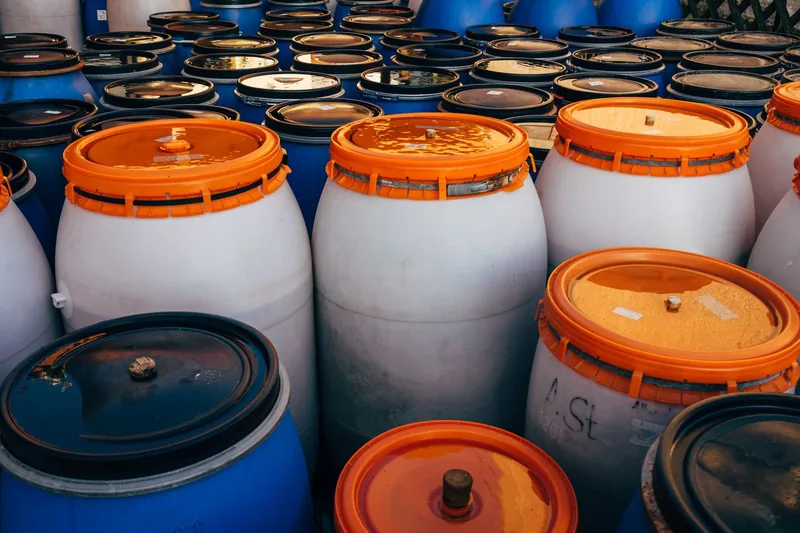
Planning for access, containment and cleanup can depend on local population, housing and entry conditions.
For an injury during discovery, Novant Health Matthews Medical Center is the nearest listed hospital at approximately 0.9 miles from the area.
Connections to Tryon Hills, Druid Hills, and Lockwood make a precise address important for coordinating cleanup access without unnecessary neighborhood attention.
The neighborhood setting makes privacy especially important when equipment must pass through sidewalks, lobbies, or other visible common areas.
Your phone conversation can include questions about service in nearby ZIP codes and communities.
Rooms, vehicles and exposed surfaces receive decontamination following fentanyl exposure.
See fentanyl decontamination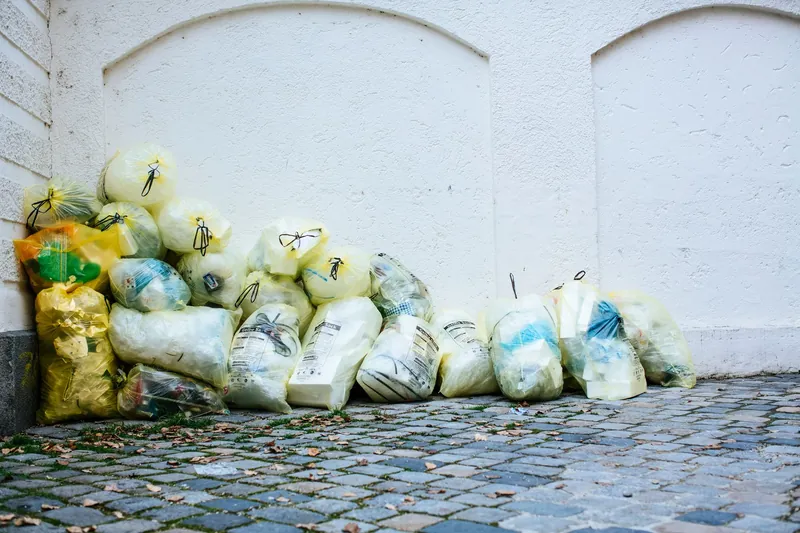
Rental spaces and properties are cleared of needles, pipes and residue from drugs.
See drug paraphernalia cleanup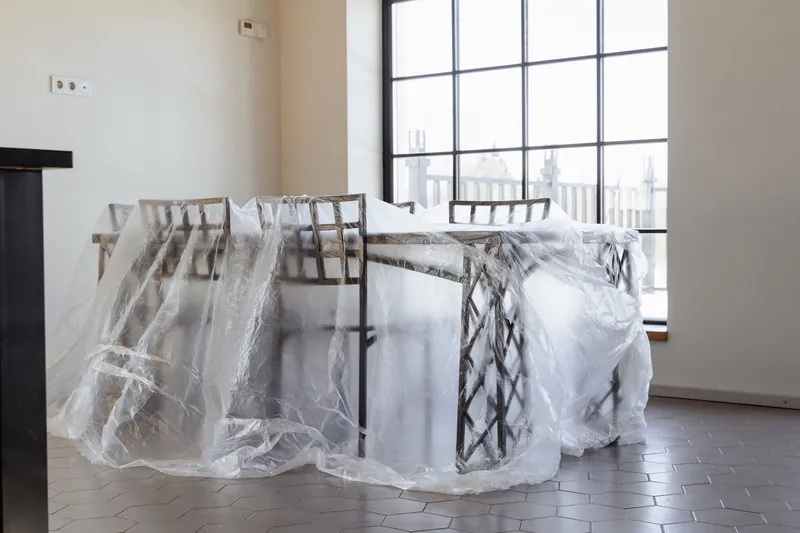
Grow house cleanup removes chemicals, mold and property damage left by indoor cultivation.
See marijuana grow house cleanup
Hazmat cleanup of hazardous materials with the right protective equipment.
See hazmat cleanup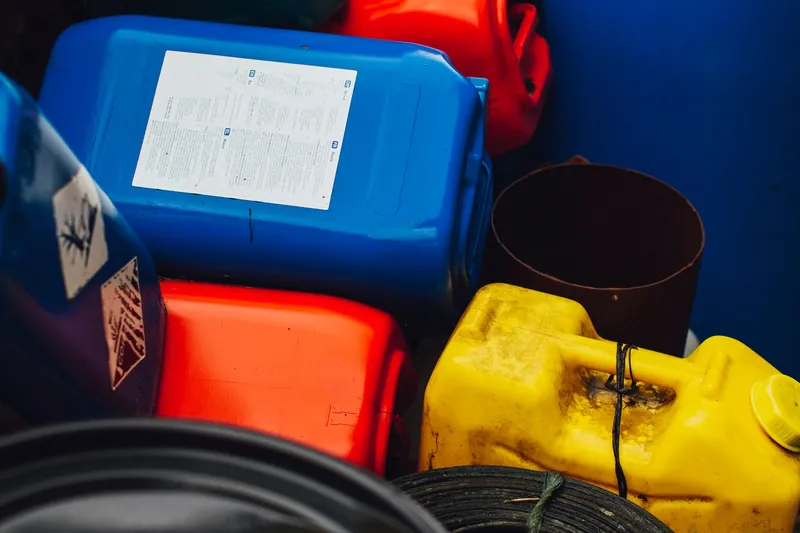
Chemical and toxic waste cleanup and safe disposal.
See chemical and toxic waste cleanup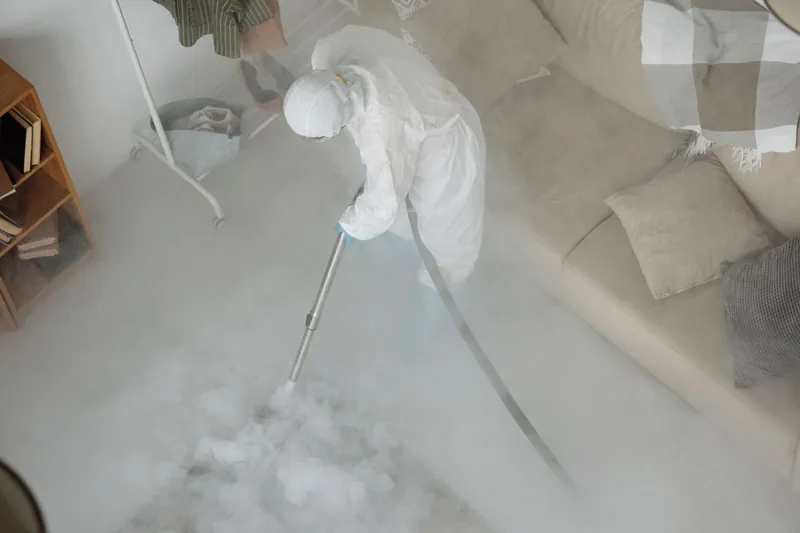
After exposure to infectious or hazardous material, the air, room and surfaces are fully decontaminated.
See biohazard decontamination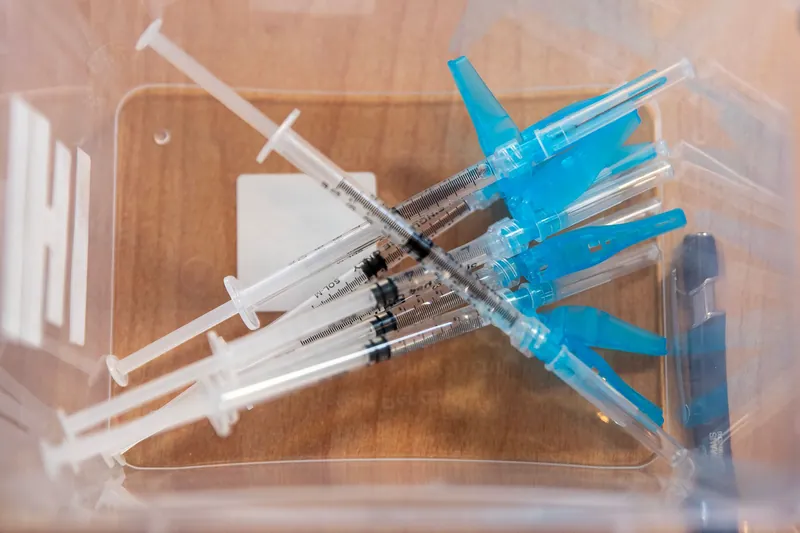
Needles and other sharps are removed from rentals, yards, encampments and parks.
See needle and sharps cleanup
Biohazard cleanup addresses Airbnb accommodations, hotels and other rental units.
See hotel, airbnb and rental biohazard cleanupDo not assume a property is ready because it looks or smells clean. People should return only according to applicable local requirements and documented guidance from the relevant public or environmental authority. Testing after remediation supplies measurable proof of whether additional cleanup remains necessary.
For a meth lab property contaminated by methamphetamine deposits or drug-making chemicals, the remediation process uses controlled cleanup methods. Under property rules, cleanup involves containment, assessment, removal when materials cannot be cleaned, surface testing, decontamination of what remains and clearance sampling after remediation.
Testing may be appropriate when law enforcement identifies an old lab, dependable property history documents drug production or trustworthy evidence points to repeated meth use. Warning signs include strange vessels, chemical stains and intense odors, but you cannot establish clearance through sight or smell.
A sharp, solvent-like smell may remain after production, but you cannot use odor alone to prove contamination or clearance. Contamination can remain indoors without producing an odor you notice. Leave if chemical odors are strong, avoid touching containers and rely on surface sampling and the applicable standard.
The broad range from PushLeads runs from $5,000 to $120,000 and its typical average spans $15,000 to $20,000. The price changes with property size, whether meth was smoked or produced, HVAC contamination, testing, material removal and the number of cleaning or clearance rounds needed.
Using bleach may disinfect a surface without measuring meth residue for clearance. Using it does not show how much residue remains, and mixing cleaning products around unknown lab chemicals can be dangerous. Choose wall cleaning procedures according to the documented cleanup scope, contamination level, surface finish and local rules.
You can request respectful, discreet meth lab cleanup 24 hours a day, and crews use unmarked vehicles.